What 1:1 replication really means for a tank decoy
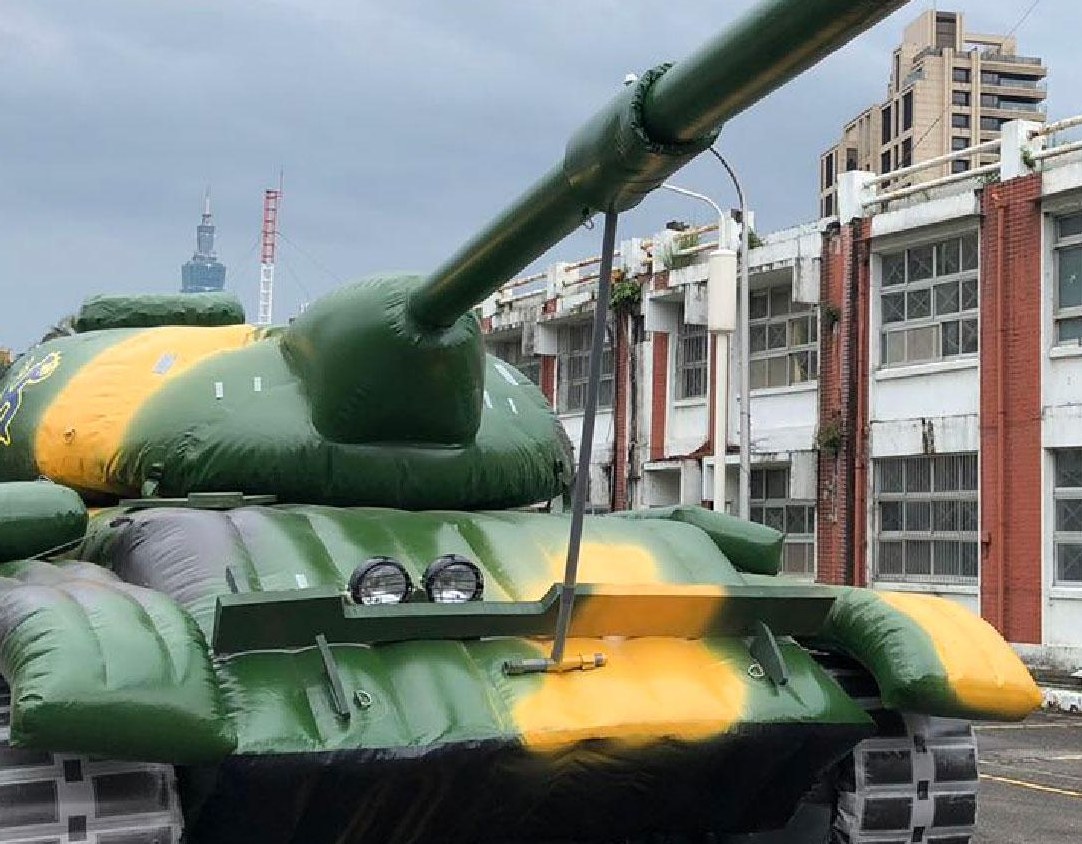
"1:1" is often used loosely. In practice it means the decoy was modelled from measurements of the real platform — drawings, a scan or a physical survey — rather than from photographs and estimation.
Why the small dimensions matter
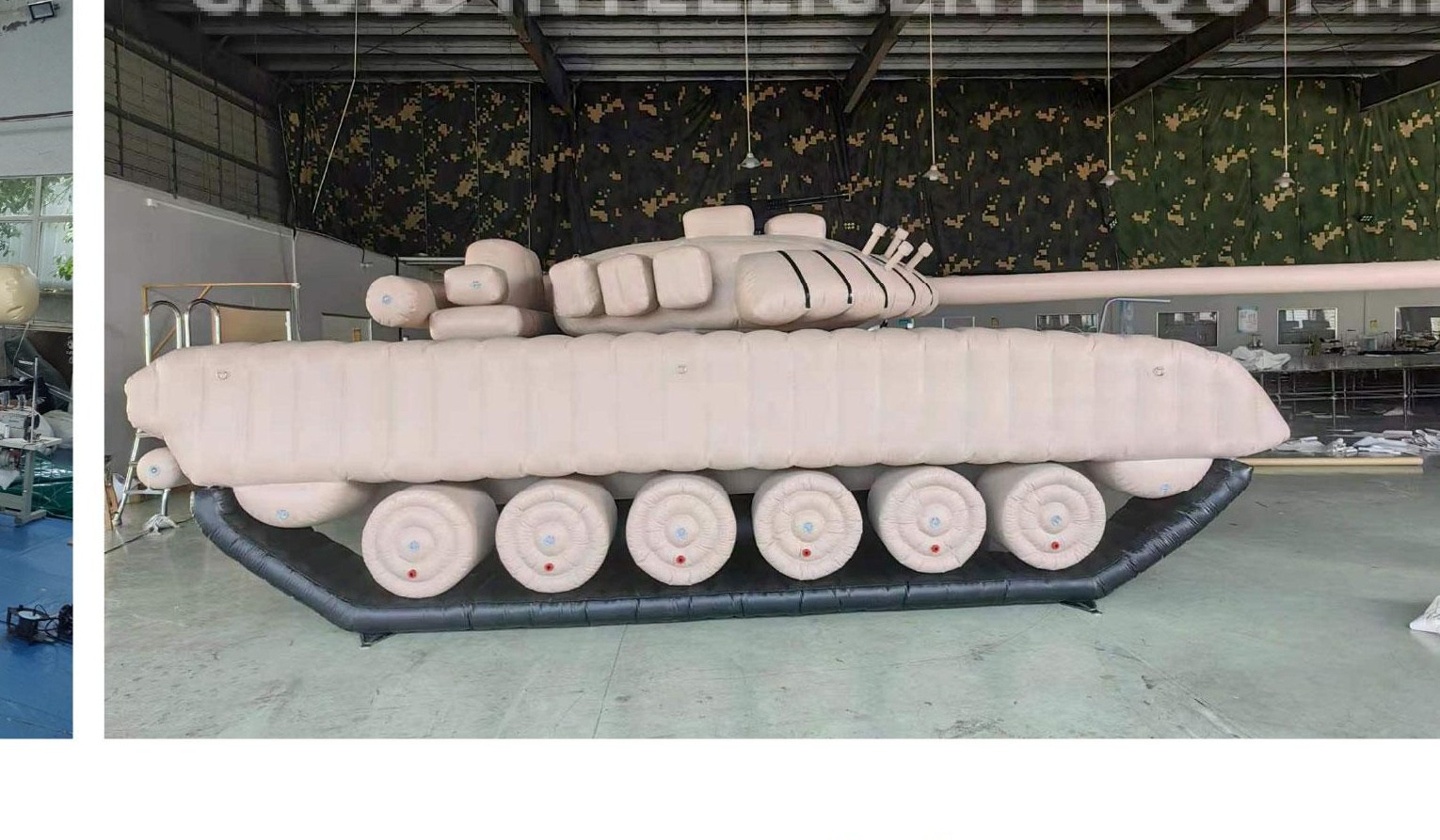
A hull that is five per cent too short changes the relationship between the rear deck and the turret, and a sensor with enough resolution will see it. The same applies to road-wheel spacing, the overhang of the turret behind the rear wheels and the length of the barrel forward of the glacis. These are the dimensions that tell an analyst which variant of a vehicle is on the ground.
Variants, not clones
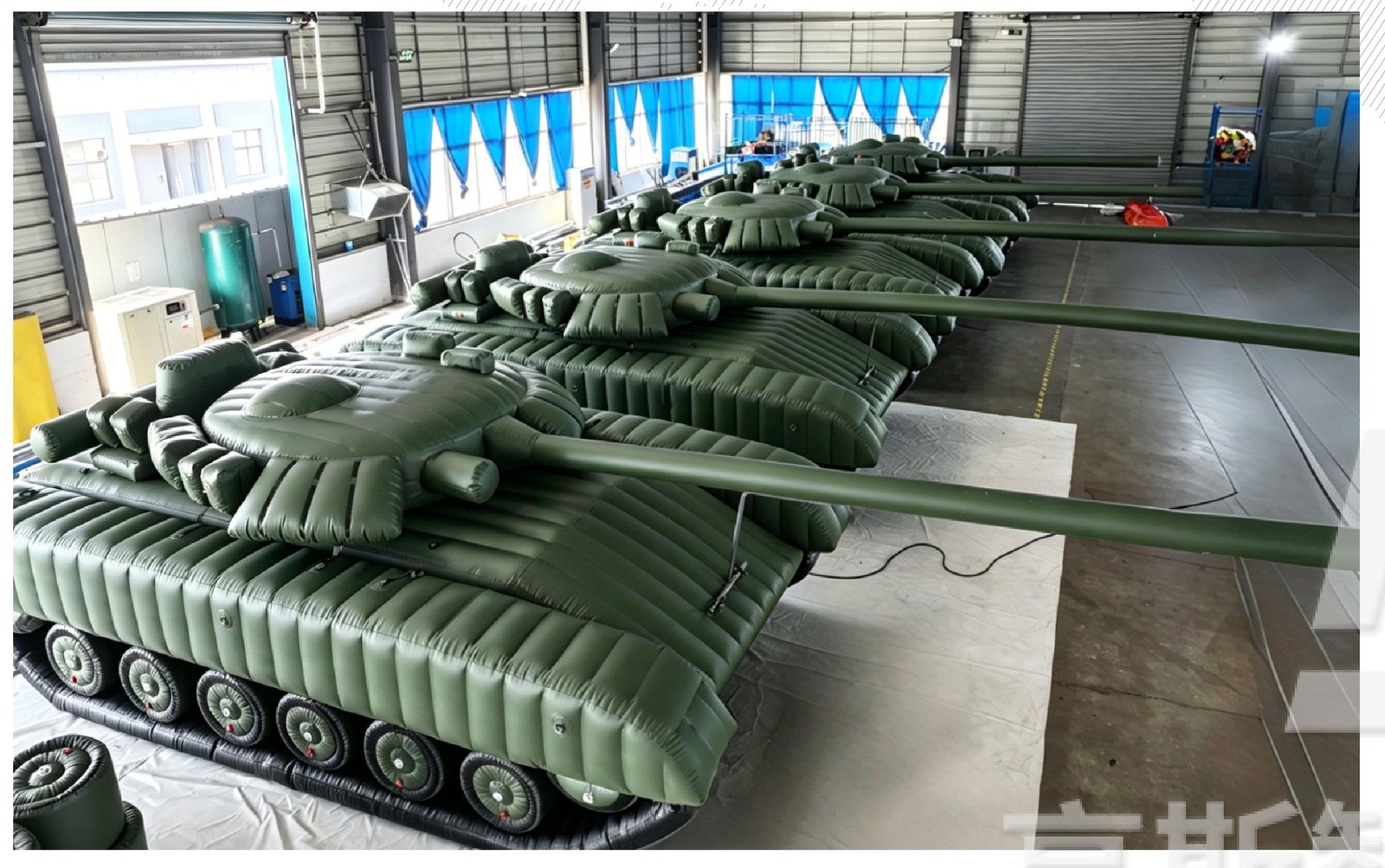
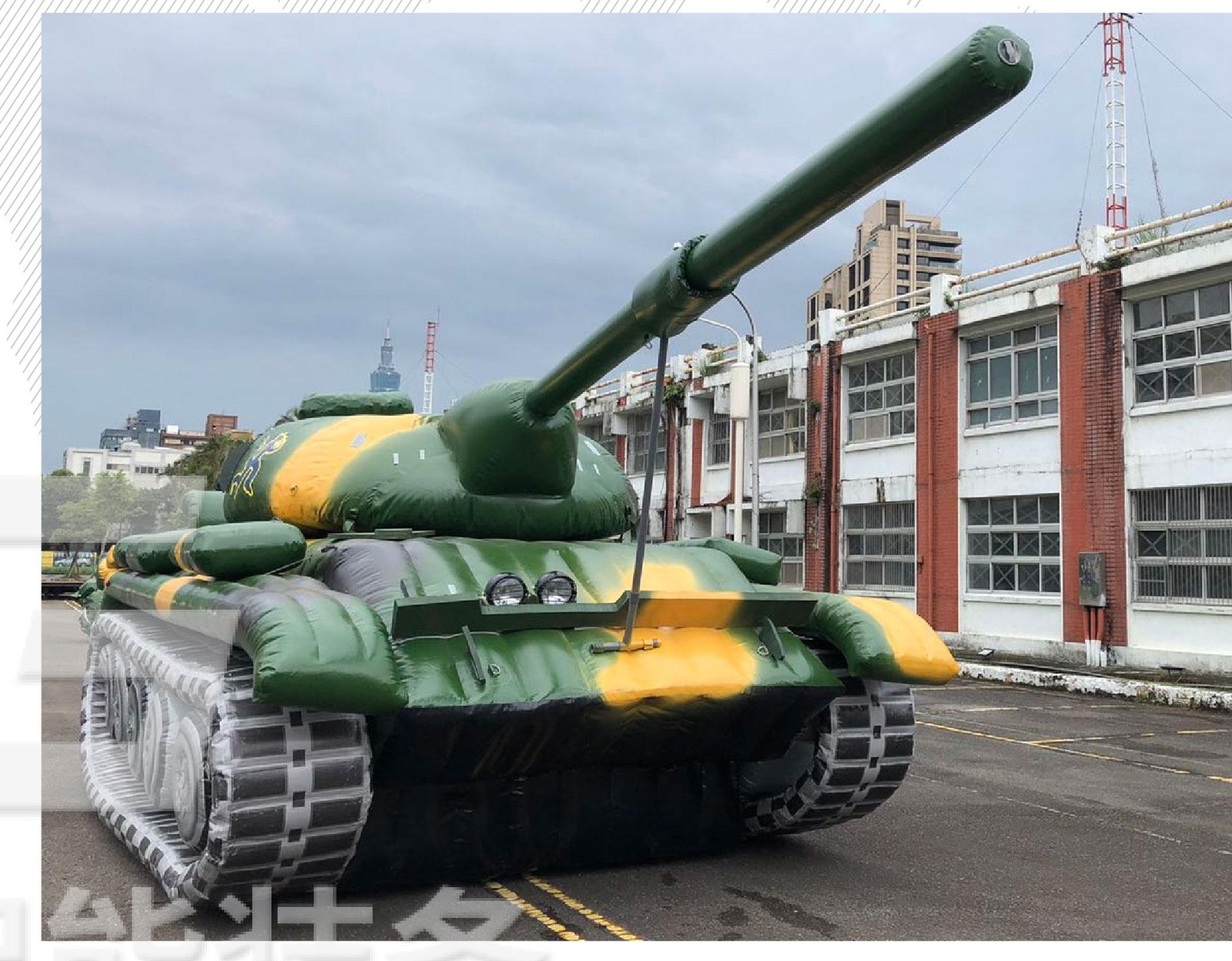
A field full of identical decoys is easier to dismiss than a field of mixed ones. Our armoured range includes several T-72 configurations as well as the T-59, M60T and Merkava silhouettes, so a position can be built with the variety a real unit would show.
Where the detail stops
Realism has a cost, and it has to be spent where it is observed. We reproduce the detail that appears in sensor imagery — turret shape, stowage, panel lines, camouflage pattern — and simplify structure that is never seen. That is what keeps the system inflatable by two people rather than six.
Every decoy is inflated, photographed and inspected before packing. If you would like to see the configuration we would propose for a specific platform, send us the type.