Tethered aerostats or quadcopter UAVs for persistent surveillance?
When a site needs continuous observation, the choice usually comes down to a tethered aerostat or a small multi-rotor UAV. They are often described as alternatives; in practice they solve different halves of the problem.
Endurance and manpower
A small quadcopter flies for thirty to fifty minutes and needs a fresh battery, a launch and a recovery each time. A tethered aerostat flies for days, and its crew requirement is closer to watching a screen than to flying. If the requirement is "watch this road all night", the aerostat wins on manpower alone.
Altitude, coverage and payload
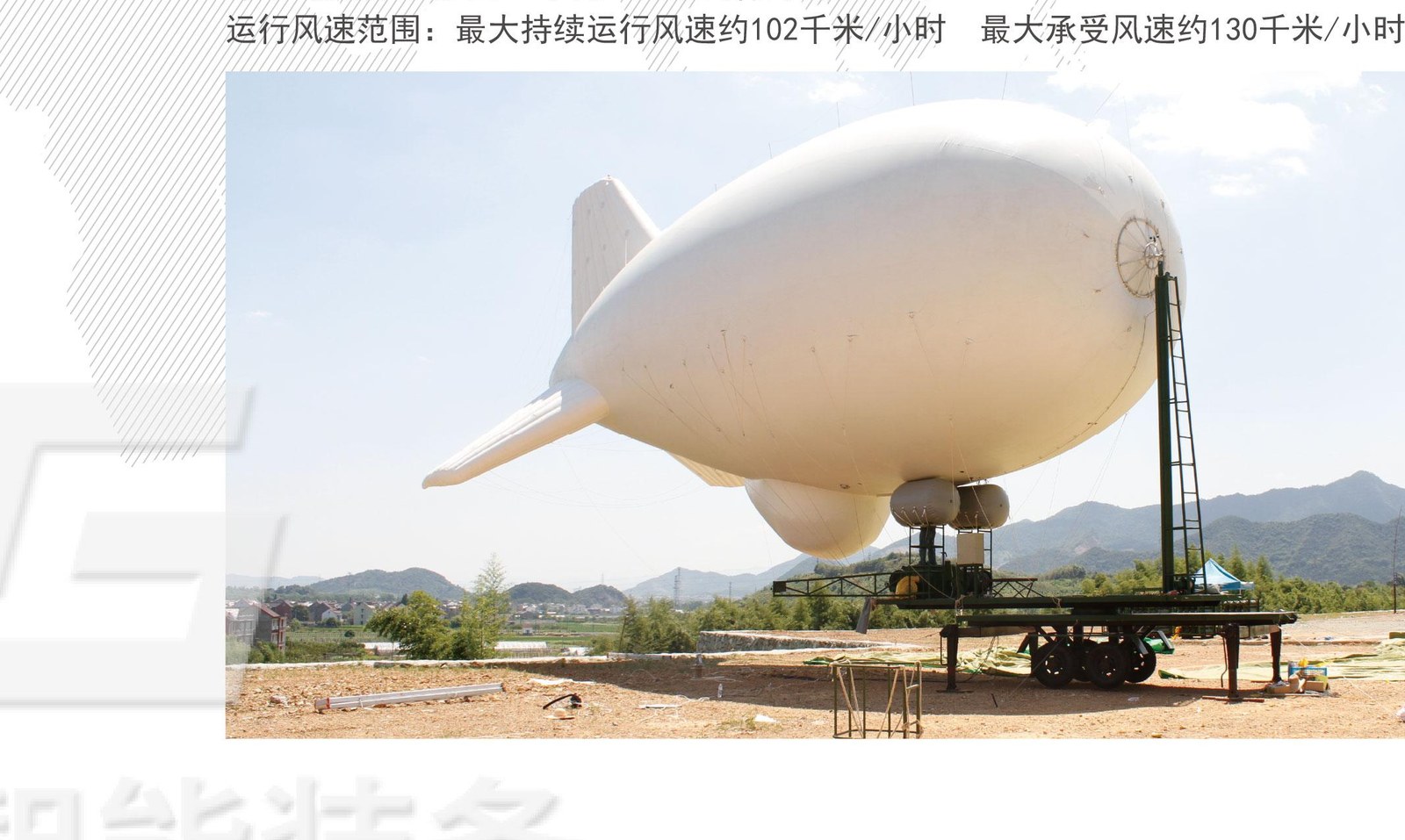
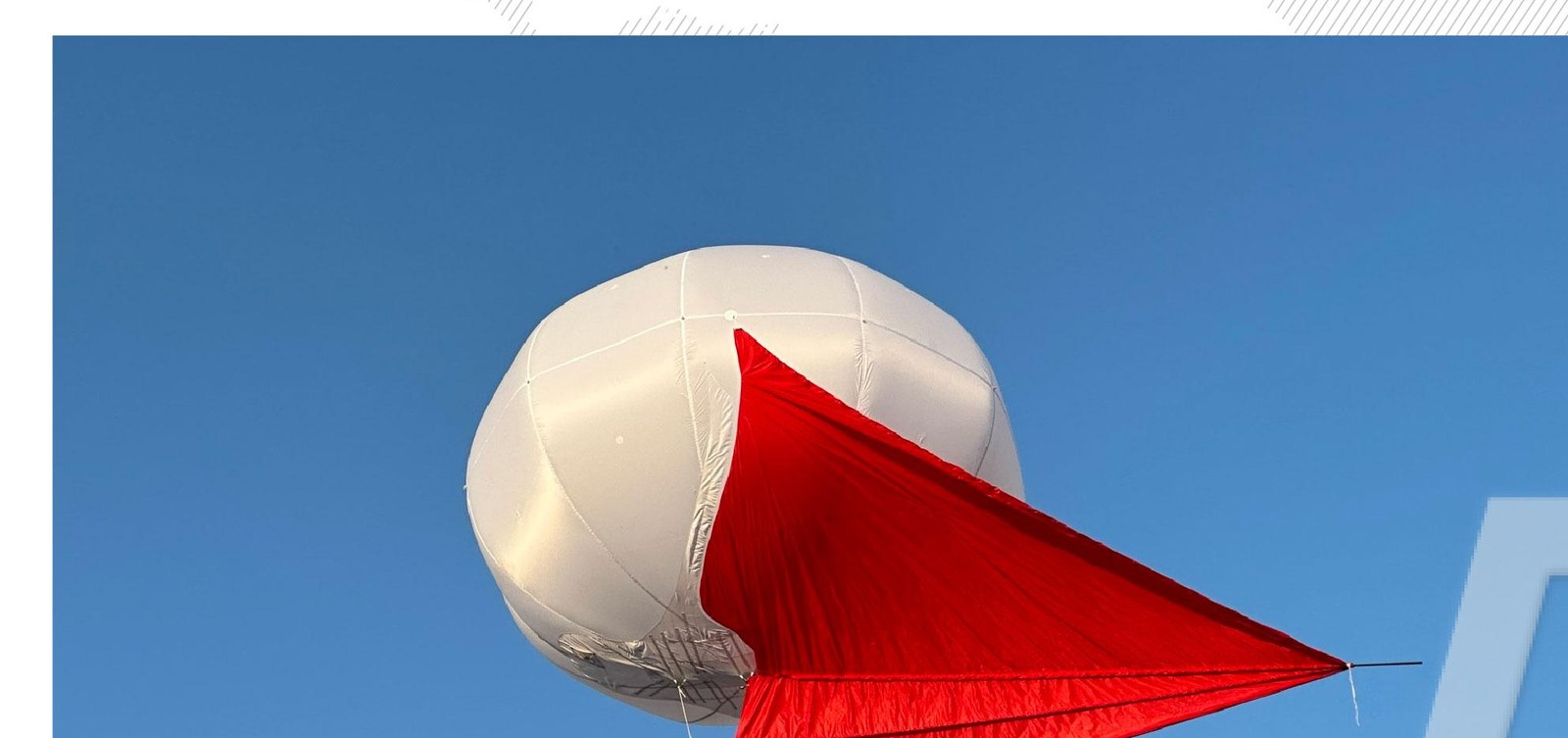
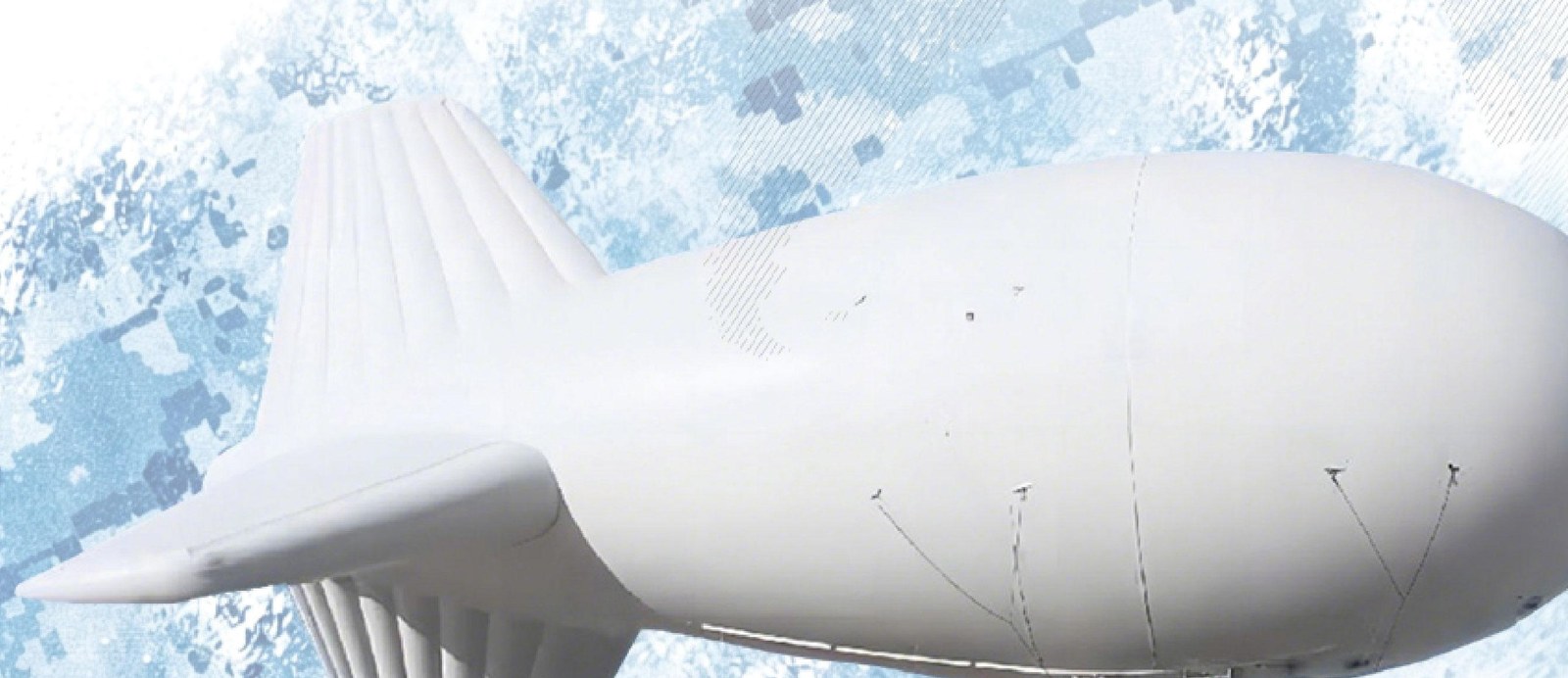
Our 22-metre airship lifts up to 36 kg to an operating altitude of 900 m, and the surveillance balloon covers a radius of roughly five kilometres. Climbing above the quadcopter's ceiling into cleaner air extends the line of sight and reduces the chance of the sensor itself being detected. Payload weight matters too: a stabilised daylight and thermal pod weighs far more than the camera a quadcopter carries.
Weather and terrain
A tethered system depends on the tether and the winch, so it needs a clear launch area and a mooring point. In exchange it performs well in steady wind and is rated for it, whereas a UAV simply does not launch once conditions exceed its limits. On a site with a fixed footprint and a predictable wind regime, the aerostat is the more dependable system.
The cost picture
Aerostats have a higher acquisition cost and a very low cost per flight hour. UAVs are cheap to buy and expensive to fly once batteries, attrition and crew time are counted. Over a year of continuous operation the arithmetic usually favours the aerostat — which is why permanent sites tend to end up with both.
SENTINEL builds the 22 m tethered airship and the low-cost surveillance balloon, and can advise on which suits a given site and mission.